
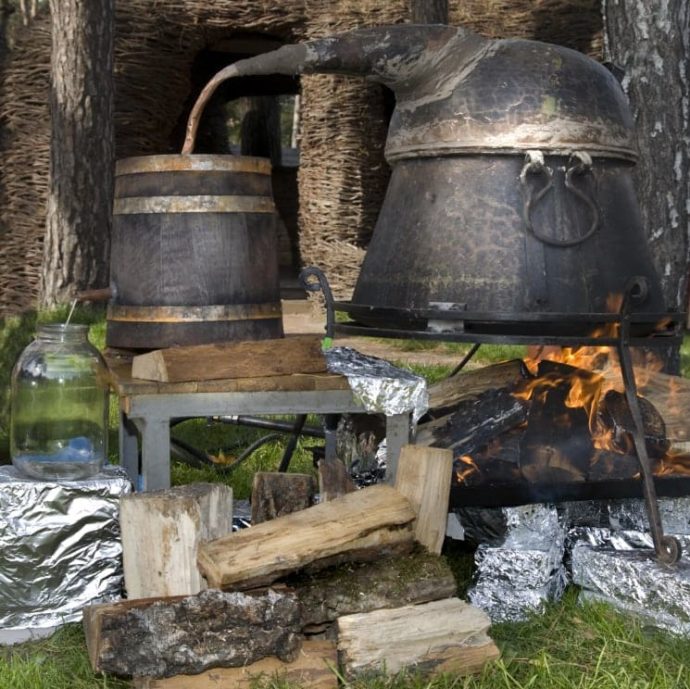
Homemade Whiskey With Appliances & Ingredients Needed
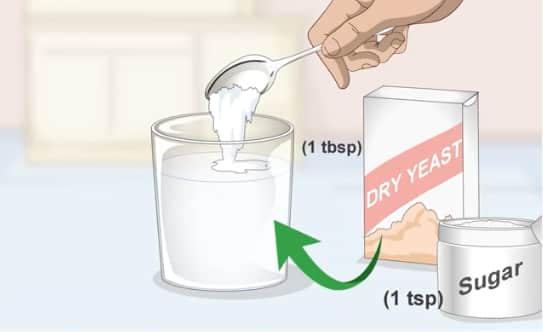
Champagne yeast Starter?is what we have used. Turbo yeast is famous for producing high volume of liquor though.
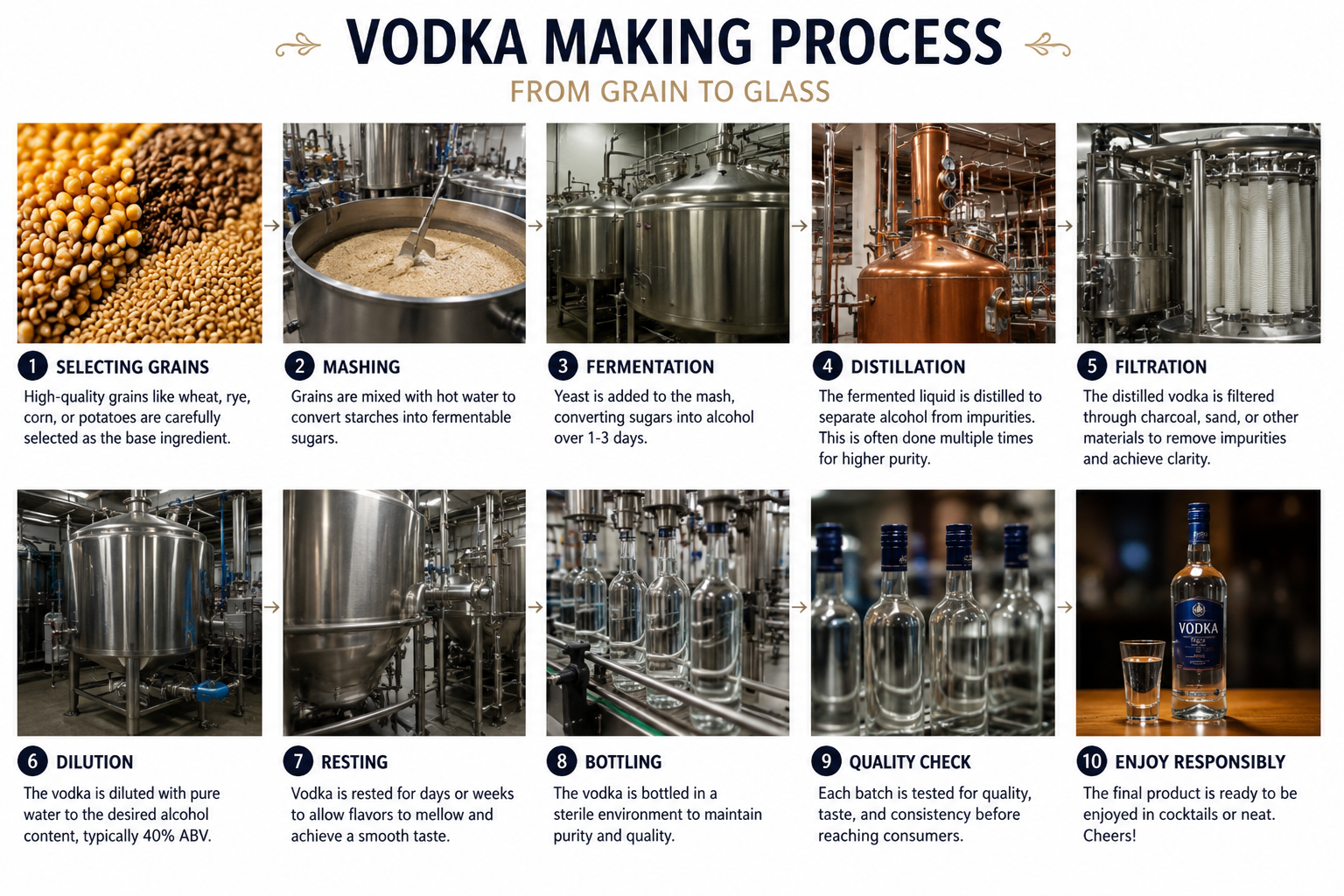
Basic idea is that starch converts into sugar and that sugar should be converted into liquor. When using grain [like corn grain from grinned corn] , it needs to be mulched for which Amylase Enzyme is essential.
I'm so excited to prepare so many #recipes of #drinks, #cocktails, #Moonshine, #food - I'm ready to get down to work! #Moonshinerecipe
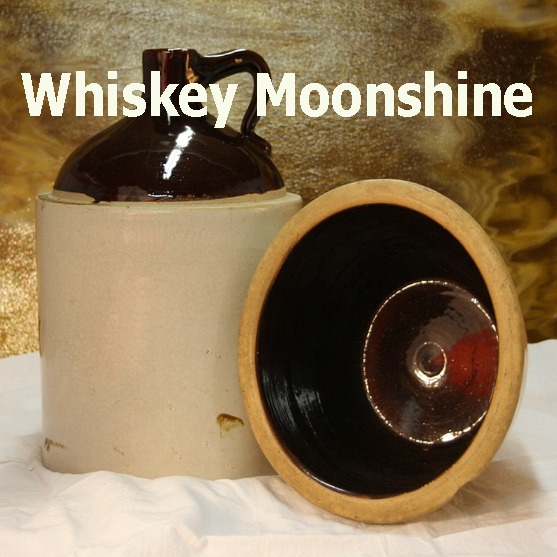
- 5 Gallons of Water
- 10 lbs. of Whole kernel corn(untreated)
- 1 Cup of Yeast(Champagne Yeast Starter)
- Place corn into burlap bag and wet with warm water.
- Put bag in a dark and warm place keeping it moist for approximately 10 days.
- The corn is ready for the next step when sprouts reach a quarter of an inch in length.
- Clean corn in a tub of water making sure to rub off sprouts and roots.
- Discard sprouts and roots and place corn into primary fermenter.
- Next step is to crush the corn making sure to crack all kernels.
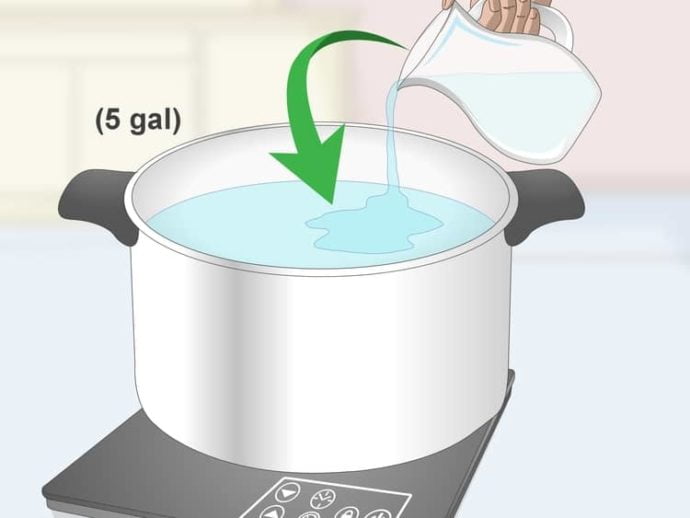
- Add five gallons of boiling water.
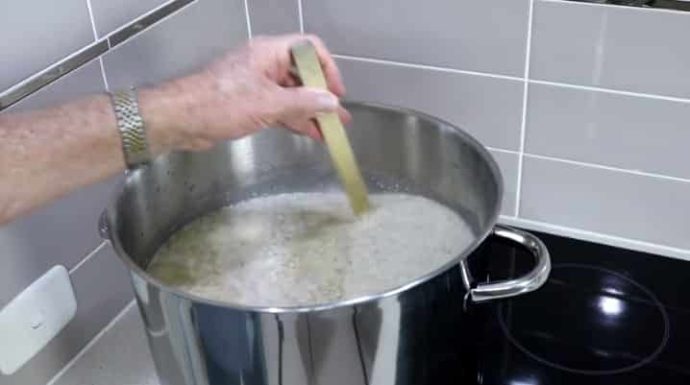
- Stir for about 4 to 5 minutes using long spoon.
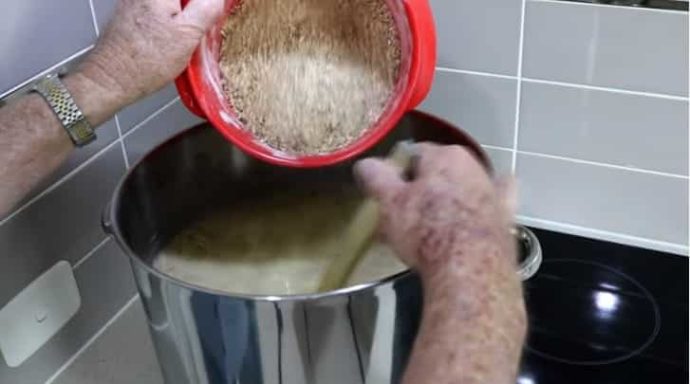
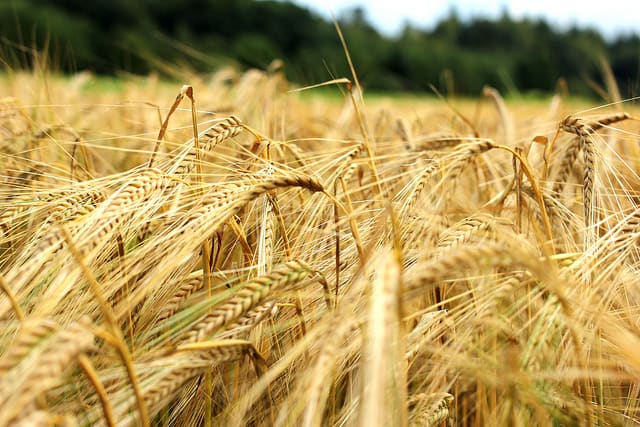
- Add crushed malted barley [This works as enzyme to convert starch into sugar. Sugar ferments the corn]
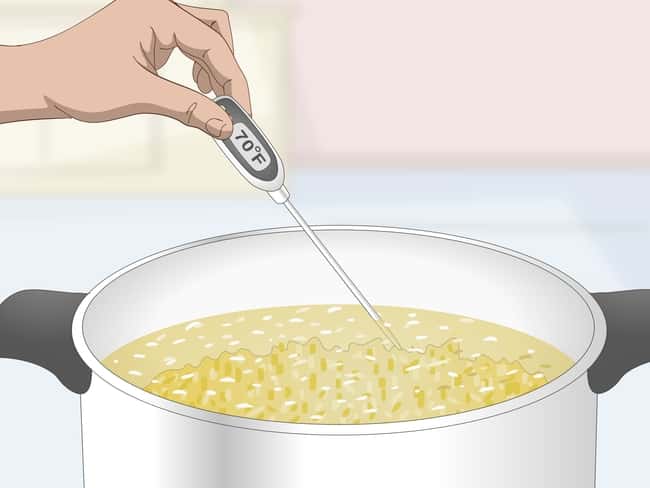
- Let mash cool and add yeast.
- Seal fermenter and vent using a water sealed vent.
- Fermentations should take about 7 to 10 days.
- When fermentation is complete, pour mix into still filtering it through a pillow case.
- Make sure to remove all solids. And enjoy the liquid!!!
2. Add sugar if you want, many have told us it helps for fermentation.
[amazon box=”1469989395,B00LOOBT06,B01M4OVN81,B01IHHLB3W,B004348K2Y,B00EZU1O6A,B00015UC8O,B01IQ9QYXS,B00JIVW97O,B00LJ7HAX8″ template=”horizontal”]
Distillation
Distillation: Method for separating mixtures based on differences in volatilities of components in a liquid mixture. This applies to the production of essential oils, gasoline, and of course in our case, ethanol (liquor). Our goal is to separate the ethanol from the fermented wort. We are not going to get a 100% ethanol solution. We are instead trying to get an 80% ethanol solution with the other 20% being comprised of water and flavors from the mash.
Whiskey is generally distilled in what is called a Pot Still. A discussion on stills can be found in the article – Moonshine Stills. Here are the basic steps needed to distill the fermented wort:
- Transfer to Still: Siphon or strain the fermented wort (aka wash) through cheese cloth into the still. The cheese cloth is only used to take separate the large solids. If you are siphoning the wash into the still, try to leave behind the solids at the bottom of the fermenter. Once again no worries if some solids get transferred.
- Assemble the Still: Assemble the rest of your still according to the manufacturer?s instructions.
- Heat\Boil: Heat the wash slowly. The goal here is to not burn the wash. Give yourself 30-60 minutes to bring the wash to a boil. Usually a medium to medium high temp is adequate.
- Start the Condenser: There should be a thermometer located just before the cooling condenser. When this reads 120? F- 140? F (50? C-60? C) start the cooling water for the condenser tube.
- Heads Out: A steady drip should start to flow from the end of the condenser. For a 5 gallon wash throw out the first ? cup (~50 ml). This portion of the ferment is referred to as the heads. It contains methanol and some off flavors that you do not want in your final product.
- Body In: Continue fermenting collecting the distillate in 500ml portions. This is the good stuff. The thermometer just before the condenser should read somewhere around 175? F-185? F (80? C-85? C).
- Tails Out: When the thermometer start to climb to around 205? F (96? C) you are starting to distill out the tails (aka fusel oil). These will add off flavors to you final product and should not be mixed with the body.
- Clean Up: Turn off or remove the heat source. Turn off the cooling water. Let everything cool and then clean thoroughly.
Aging and Maturation
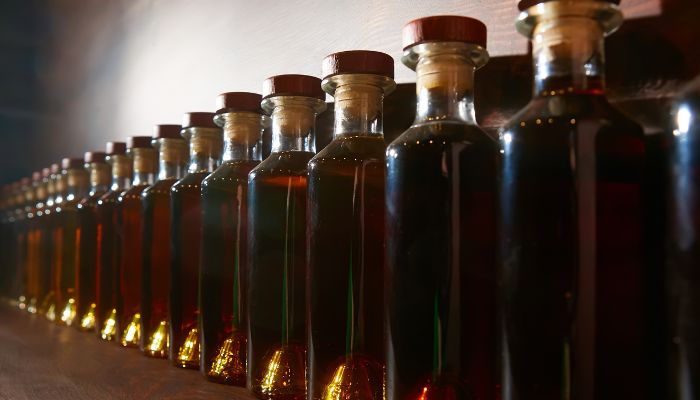
Whiskey is best when it has been aged for a period of time. Aging normally takes place in Oak barrels. However, you can also add oak chips to the whiskey and let age. Keep in mind that whiskey only ages in the barrel. Once bottled the flavors will not change and mature. Aging makes the whiskey smoother and adds an oak flavor to the final product. The whiskey should go into the barrel somewhere between 58%-70% ABV. Bourbon whiskey must not enter the barrel at more than 62.5% ABV if it is going to be called a bourbon whiskey.
Dilute and Bottle
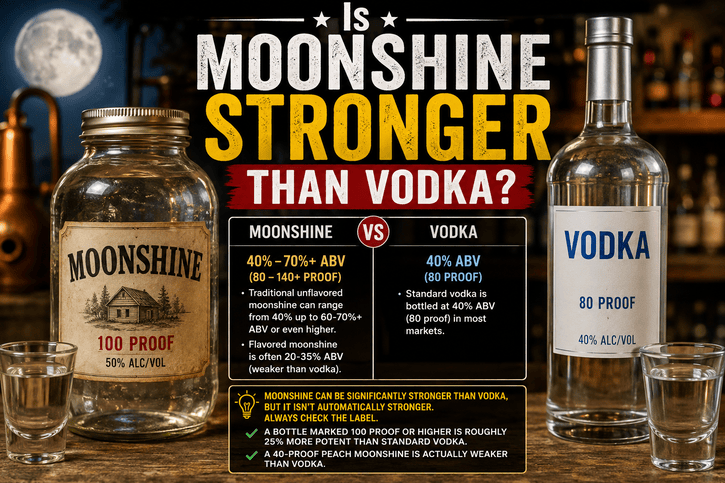
In order to enjoy a glass of whiskey you need to cut it with water. Drinking spirits at 75%-80% ABV can be an uncomfortable experience. Generally, whiskey is diluted to 40% ABV (80 Proof). Once diluted it is immediately bottled, labeled and enjoyed (not necessarily in that order).
Professional Packaging Stickers For Wine Bottles
Looking to create a personalized whiskey label to make a statement during displays, dinners and events? Use custom stickers to help your whiskey or distilled spirit packaging stand out. Custom wine die cut stickers are available in a variety of sizes, shapes, and materials, and can feature any information you desire. So whether you’re reimagining the look of your business packaging,celebrating a milestone or giving a memorable gift, custom stickers help you create bottle labels that people will admire on every glass of wine. CustomSticker.com’s professional designers can help you design for free and ship quickly.
References: http://howtomakewhiskeyhq.com/how-to-make-whiskey-step-by-step/
https://www.wikihow.com/images/f/f4/Make-Corn-Whiskey-Step-3.jpg
[gs_pinterest id=1]
sam007
This recipe only gives you around 40 proof liquor, you will need to add extra sugar in order to up the liquor content.